

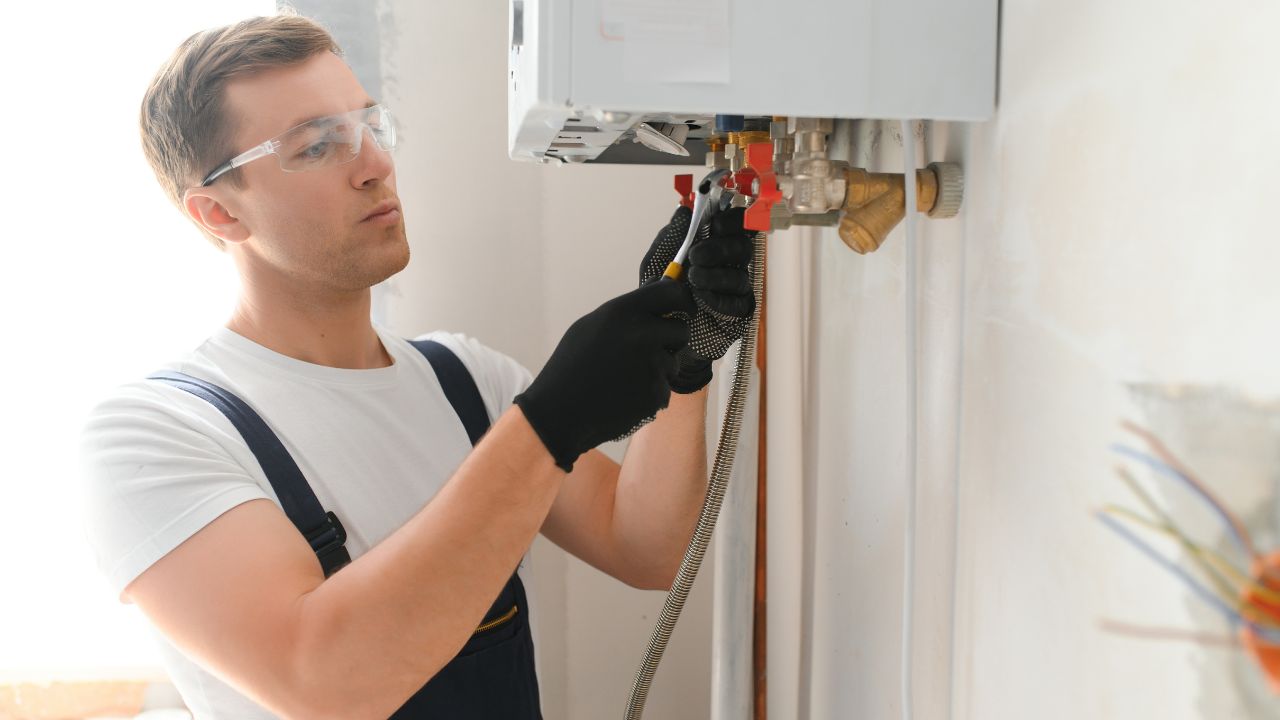
Boilers are one of the most reliable and efficient heating systems used in American homes, but they require regular maintenance to perform at their best. The most effective ways to improve a boiler’s efficiency and extend its lifespan include scheduling annual professional inspections, monitoring pressure levels, bleeding radiators, cleaning components, and addressing small issues before they turn into major problems.
A well-maintained boiler can last 15–30 years, depending on the type and usage. Ignoring maintenance, however, can reduce efficiency, increase energy bills, and lead to unexpected breakdowns.
In some cases, homeowners may notice warning signs such as unusual noises, inconsistent heating, or sudden pressure drops. When problems escalate, seeking professional help for emergency boiler repair may be necessary to restore safe and efficient operation. Preventive maintenance is the best strategy to avoid these situations and keep your heating system running smoothly throughout the winter.
This guide explains practical boiler maintenance tips that homeowners can follow to improve efficiency, reduce heating costs, and extend the life of their system.
Understanding How Boilers Work
Before diving into maintenance tips, it helps to understand the basics of how boilers operate.
A boiler heats water and distributes it through pipes to radiators, baseboards, or underfloor heating systems. The heat generated warms the rooms in your home. Depending on the system, the boiler may run on natural gas, electricity, oil, or propane.
Key components include:
- Heat exchanger
- Burner or heating element
- Circulating pump
- Expansion tank
- Pressure relief valve
- Thermostat controls
Because these parts work together constantly during the colder months, even minor issues can reduce efficiency or strain the system. Regular maintenance ensures each component performs properly.
Schedule Annual Professional Inspections
One of the most important maintenance steps is scheduling a yearly inspection by a qualified HVAC technician.
Professional inspections typically include:
- Checking the heat exchanger for cracks or corrosion
- Inspecting burners and combustion systems
- Testing pressure levels and safety controls
- Cleaning internal components
- Ensuring proper ventilation
Annual inspections help identify potential issues before they become expensive repairs.
The same logic applies to the pipework and fittings that connect a boiler to the rest of the home, since a slow leak or a corroded joint can quietly undermine an otherwise healthy heating system. When an inspection turns up a plumbing fault rather than a boiler fault, calling in a licensed plumber, such as Wise Choice Plumbing, keeps the repair within a trade that handles pressurized water lines and valve replacements day to day. Catching a weeping fitting early also protects the boiler itself, because persistent moisture accelerates rust on nearby metal components.
According to the U.S. Department of Energy, regular heating system maintenance can significantly improve energy efficiency and prevent breakdowns during peak winter months.
Many homeowners schedule inspections in early fall, before the heating season begins.
Monitor Boiler Pressure Regularly
Boiler pressure plays a critical role in system performance.
Most residential boilers operate best between 1 and 2 bars of pressure. If the pressure is too low, the system may not circulate hot water effectively. If it is too high, it can stress internal components.
To check pressure:
- Locate the pressure gauge on the boiler.
- Confirm it falls within the recommended range.
- If pressure drops frequently, contact a technician.
Sudden pressure changes may indicate leaks, air buildup, or problems with the expansion tank.
Keeping pressure stable helps maintain heating efficiency and prevents unnecessary strain on the system.
Bleed Radiators to Remove Trapped Air
Air trapped in radiators can reduce heating efficiency.
When air accumulates in the system, it prevents hot water from circulating properly. This leads to cold spots in radiators and uneven heating throughout the home.
Common signs of trapped air include:
- Radiators that are hot at the bottom but cold at the top
- Gurgling or bubbling noises
- Reduced heating performance
Bleeding radiators removes trapped air and allows hot water to flow freely again.
To bleed a radiator:
- Turn off the heating system.
- Use a radiator key to slowly open the bleed valve.
- Allow air to escape until water begins to flow.
- Close the valve and check system pressure.
This simple task can significantly improve heating efficiency.
Keep the Boiler Area Clean
Many homeowners overlook a simple but important maintenance task: keeping the boiler area clean and unobstructed.
Dust, debris, and clutter can restrict airflow and affect system performance.
Follow these tips:
- Keep at least two feet of space around the boiler.
- Avoid storing household items near heating equipment.
- Regularly vacuum dust from vents and surrounding surfaces.
A clean environment allows the boiler to operate safely and efficiently.
Check for Leaks or Corrosion
Water leaks are a common sign of boiler trouble.
Even small leaks can reduce system pressure and lead to corrosion over time. If left untreated, they can cause serious damage to internal components.
Look for warning signs such as:
- Moisture or puddles near the boiler
- Rust or corrosion on pipes and fittings
- Unusual pressure fluctuations
Addressing leaks early helps avoid costly repairs and protects the longevity of the system.
Flush the System Periodically
Over time, boilers can accumulate sediment and mineral buildup inside the system.
This buildup reduces heat transfer efficiency and forces the boiler to work harder to heat water.
Flushing the system removes accumulated debris and improves performance.
Professional technicians often perform a power flush, which involves circulating cleaning chemicals through the system to remove sludge and mineral deposits.
Test the Thermostat and Controls
Your boiler relies on thermostat signals to maintain the desired indoor temperature.
If the thermostat malfunctions, the system may run longer than necessary or fail to heat properly.
Test the thermostat by:
- Adjusting the temperature settings
- Confirming the boiler responds appropriately
- Replacing batteries if needed
Upgrading to a programmable or smart thermostat can further improve efficiency by optimizing heating schedules.
Smart thermostats allow homeowners to control heating remotely and reduce energy waste.
Insulate Pipes for Better Heat Retention
Heat loss from exposed pipes can reduce boiler efficiency.
Insulating hot water pipes helps retain heat as water travels from the boiler to radiators or heating zones.
Pipe insulation offers several benefits:
- Reduces heat loss
- Improves energy efficiency
- Prevents freezing during extreme winter temperatures
Pipe insulation materials are inexpensive and easy to install, making this one of the simplest ways to boost system performance.
Listen for Unusual Noises
Boilers usually operate quietly. Unusual sounds may indicate mechanical issues.
Common noises include:
- Banging or knocking
- Whistling
- Gurgling
- Vibrations
These sounds may be caused by trapped air, sediment buildup, or pump issues.
Addressing unusual noises early helps prevent more serious problems later.
Don’t Ignore Warning Signs
Many boiler failures occur because early warning signs are ignored.
Pay attention to symptoms such as:
- Rising energy bills
- Uneven heating
- Frequent cycling on and off
- Strange smells or smoke
Prompt action can prevent minor issues from escalating into major system failures.
Routine maintenance combined with early troubleshooting keeps boilers running efficiently for many years.
How Proper Maintenance Extends Boiler Lifespan
Regular maintenance doesn’t just improve efficiency—it also protects the long-term health of your heating system.
A well-maintained boiler benefits from:
- Reduced wear on internal components
- Lower risk of major mechanical failures
- Consistent heating performance
- Improved energy efficiency
According to the U.S. Department of Energy, properly maintained heating systems can operate 10–25% more efficiently than neglected systems.
That translates to significant energy savings and fewer repair costs over time.
Conclusion
Boilers are dependable heating systems, but like any mechanical equipment, they require consistent maintenance to perform efficiently and last for decades.
Simple actions such as checking pressure levels, bleeding radiators, cleaning components, and scheduling annual professional inspections can dramatically improve system performance. Preventive care reduces energy costs, prevents unexpected breakdowns, and ensures safe operation during the coldest months of the year.
Homeowners who stay proactive with maintenance often enjoy longer system lifespans, better heating performance, and fewer emergency repairs.
A little attention today can keep your boiler running smoothly for many winters to come.