

A home is so much more than just a bunch of parts; it’s a living, breathing space where everything works together. Thinking about your house this way can totally change your perspective. Instead of just fixing problems as they pop up, you start proactively caring for the place that keeps you and your family safe. Protecting your home isn’t about building a fortress, but about understanding what it needs and giving it thoughtful attention. That way, your home stays a safe, comfy, and healthy spot for years to come.
Understanding Your Home’s Ecosystem
It’s super helpful to think of your home as an ecosystem. Imagine a place where the air, moisture, and temperature are all connected. Change one thing, and it can send ripples throughout the whole house. For instance, a stuffy attic with poor ventilation can trap hot, damp air. That can lead to condensation and mold. And it’s not just damaging the structure; that mold can even affect the air you breathe downstairs in your living room.
Getting this balance is the first step to really taking care of your home. Say you spot some peeling paint on a wall. Your first thought might be to just paint over it, right? But if you’re thinking “ecosystem,” you’ll ask a better question: why is the paint peeling? Is it a hidden water leak? Or maybe too much humidity? Fixing the real problem, not just the symptom, is how you get a truly healthy home.
The Role of a Healthy Exterior
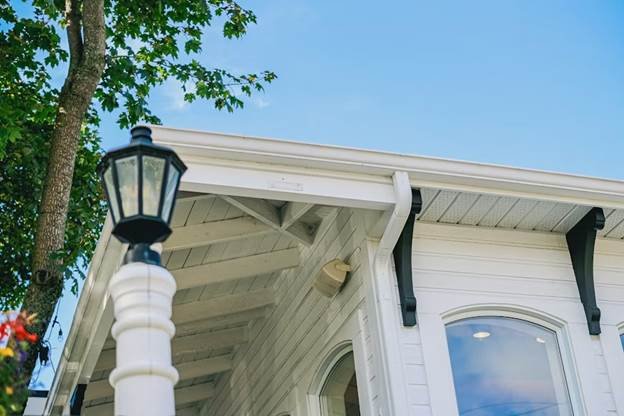
Your home’s exterior is like its first line of defense against the weather. The roof, siding, windows, and gutters all team up to create a protective shield. This shield keeps water out, helps manage the temperature inside, and stops pests from getting in. If this shield gets a little dinged up, even in a small way, it can cause big headaches. A few missing shingles or a clogged gutter might seem minor, but they can let water sneak into your home’s structure. Over time, that can lead to rot and even foundation damage.
Keeping this protective layer in good shape is one of the most important jobs you have as a homeowner. Regular check-ups and quick repairs are key. Professional roofing and gutter services for homes are super important for keeping this outer shell intact, making sure water sheds properly and gets directed away from your foundation. A healthy exterior doesn’t just protect your home from damage; it also makes it more energy-efficient, keeping it cooler in summer and warmer in winter.
Preventative Care for Longevity
The best way to protect your home is to consistently stay on top of maintenance. Waiting for something to break almost always ends up being more stressful and expensive than just preventing the problem in the first place. Creating a simple annual checklist can help you get ahead of potential issues and keep your home looking and feeling great. There are many expert tips for a healthier home you can follow.
Try adding these easy tasks to your routine:
- Clean your gutters: Do this at least twice a year, in the spring and fall, to stop clogs and water from overflowing.
- Check for drafts: On a windy day, feel around windows and doors for any air leaks that could be hiking up your energy bills.
- Look for water stains: After a heavy rain, regularly check ceilings and walls for any damp spots.
- Test your detectors: Test your smoke and carbon monoxide detectors every month and swap out the batteries once a year.
These small actions don’t take much time, but they make a huge difference in keeping your home healthy and safe for the long haul.
Smart Solutions for Home Resilience
Technology has given us some cool new tools to watch over and protect our homes better than ever. Smart home devices can act like an early warning system, letting you know about problems before they turn into disasters. These gadgets give you real-time info about your home’s condition, so you can act fast.
For example, a smart water leak sensor tucked under a sink or near a water heater can send an alert straight to your phone the second it senses moisture. This could help you avoid a major water catastrophe. Likewise, smart thermostats learn your habits to optimize heating and cooling, saving energy and helping control indoor humidity. Smart smoke and CO detectors can even tell you about danger when you’re not home. These devices really empower you to be a more proactive and informed homeowner.
Taking care of a house is an ongoing journey, but it doesn’t have to feel overwhelming if you follow some simple DIY safety tips. By understanding how your home works and focusing on small, consistent acts of preventative care, you can make sure it stays a healthy and secure haven for you and your family.