

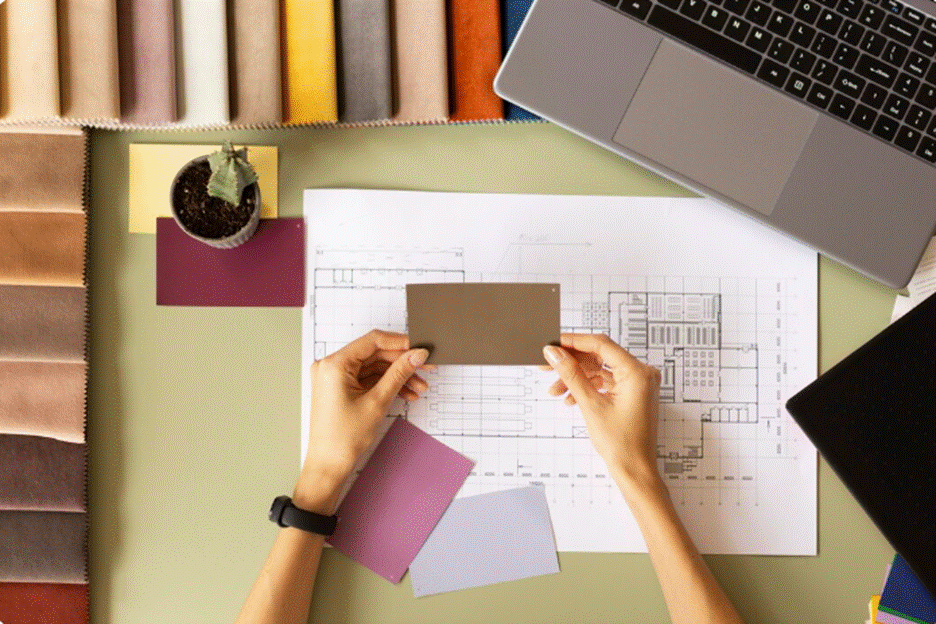
Interior design.
A field rooted in aesthetics. Style. Trends.
That philosophy is so pre-pandemic.
In 2026, interior design is just as much function as it is form. Namely, how can a home’s interior promote a productive, high-performance workday in an ever-connected world?
For more ideas in this regard, keep reading as we dive into interior design tips for a more focused workday!
Prioritize Sound Control
Having a quiet home has always been nice. Very nice. Nobody wants to be woken by the neighbor’s dog at midnight. No one wants to have their morning coffee interrupted by the train tracks.
However, in 2026, a tranquil home environment is about more than comfort and convenience. It’s a matter of productivity and performance. Whether you are a remote professional, online student, or digital content creator, there are numerous reasons to prioritize a soundproof home office. Some of the best design tips include:
- Acoustic panels – these consist of a fiberglass or other type of sound absorbing core (in 1- or 2-inch thickness) wrapped in a decorative fabric. They attach to the wall similarly to a portrait and can approach an NRC of 1 with as little as 15% wall coverage, making them an excellent choice for low-profile sound mitigation.
- Quiet insulation – the best insulation products do more than boost the R-value of your building envelope. They also provide all-important sound-absorbing mass. Recycled denim and mineral wool are some premier options for creating “quiet” walls in bustling urban environments.
- Window fortification – tiny cracks in window-to-wall transitions can be a natural point of ingress for whistling winds and ambient street noise. Use a high-quality silicone-based sealant to keep the frames well sealed. When possible, upgrade to more robust double- or triple-pane glass. Look for special window seal inserts (attach magnetically to the jambs or trim) for even greater sound resistance.
- Soundproof door – sometimes, the greatest distractions can come from within the house itself. Kids at play. Appliances at work. Or maybe your spouse is a remote professional as well. In these instances, a soundproof door can help limit interior distractions. Look for solid oak or fiberglass core options instead of hollow MDF doors.
Light Strategically
Natural light.
You’ve probably heard that it is good.
On top of its energy efficiency benefits, it offers a host of psychological and physiological perks to homeowners. Stress reduction. Cognitive clarity. Less optical strain.
However, it would be remiss to overlook that too much daylight is too much daylight. Whether the blazing sun is causing excessive warming or the glare off your computer screen is untenable, there are times when it is necessary to draw the shades and use some artificial lighting.
When this is the case (or if you are burning the midnight oil after the sun goes down) design so that light is your best friend. Employ a layered lighting approach, with desk lamps complementing overhead lights to limit distracting shadows. Use soft white or blue-enhanced LED bulbs for less eye fatigue. Choose adjustable task lighting for ideal illumination at all hours of the day.
Use Low Maintenance Materials
No stress-filled commute. No daily lunch bills. Not having to small talk every coworker who passes by your desk.
These are just a few of the countless perks of working from home.
However, working from home does have its drawbacks. Chief among these is that you get to double as head of custodial.
Cleaning up spills is not your core competency and figuring out how to use the carpet shampooer is not something you have time for during a busy day of meetings. Therefore, design your space with the most low maintenance materials possible. Nonporous LVT flooring for quick spill cleanup. Durable solid surface office desks to resist wear and tear. Floating shelves to keep floors clear and limit the risk of accidents.
Add Biophilic Touches
Interaction with nature is crucial to human wellbeing. It is proven to reduce stress and enhance cognitive function.
As such, biophilic design has become an integral component of modern homes. Daylighting, easy access to outdoor spaces, and indoor plants are some ways to directly add biophilic touches to your home office.
However, there are some “indirect biophilia” techniques that can be equally beneficial to productivity. This involves using colors and representations to evoke the focus-enhancing properties of nature. For example, light green and soft blue are known for creating a calming atmosphere. Curved, textured decor can mimic organic structures for additional zen.
Eliminate Clutter
Most would agree that clutter is not a good thing.
Yet, we are all so reluctant to get rid of our stuff.
Just let it go if you really want to get the most out of your workday. Those knickknacks you’ve been holding onto for years are never going to come in handy. They will, however, be an ongoing visual distraction.
Aim for a statement office desk as the focal point. Have a single book shelf that intentionally balances decor with essential work materials. Keep your surfaces open and inviting should a guest pop in unannounced. Make use of furniture that doubles as storage. Adopt a “one in, one out” policy to prevent items from accumulating.
Ensure Productivity with Strategic Interior Design
Interior design is about more than aesthetics in 2026. From optimal sound mitigation to minimal clutter, consider any of the ideas listed above for interior design tips that will enhance focus throughout the workday. For more of the latest trends in home and lifestyle, explore the content at Home Made Banana for ideas and inspiration today!